
Comprehensive Analysis of Stage Lighting
Comprehensive Analysis of Stage LightingStage lighting is an essential component of stage art. Through variations in light intensity, color, direction, and movement, it shapes visual space, creates atmosphere, guides audience attention, and enhances the performance's impact.
Main Lighting Fixture Types
1. Effect Lighting Fixtures
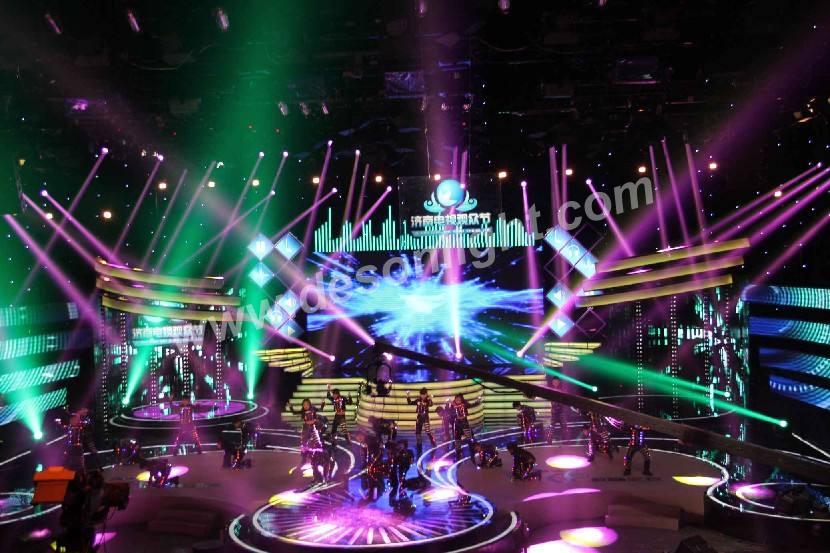
Beam Lights: High-brightness parallel beams with strong penetration, creating aerial light pillar effects.
Moving Head Lights: Can rotate 360°, achieving dynamic patterns, colors, and beam changes.
Laser Lights: Monochrome/full-color lasers, creating cool spatial cutting and pattern effects.
Effect Lights: Strobe lights, color-changing lights, and smoke machines work together to create special atmospheres.
2. Illumination Fixtures
Front Lights: Evenly illuminate the actor's face, commonly using LED flat panel lights and spotlights.
Backlights/Rim Lights: Light from behind, outlining the character's contours and enhancing three-dimensionality.
Side Lights: Illuminate from the side, strengthening muscle lines and dramatic tension.
Ground/Sky Lights: Illuminate the background curtain, creating the sky and environmental background colors.
3. Imaging Fixtures
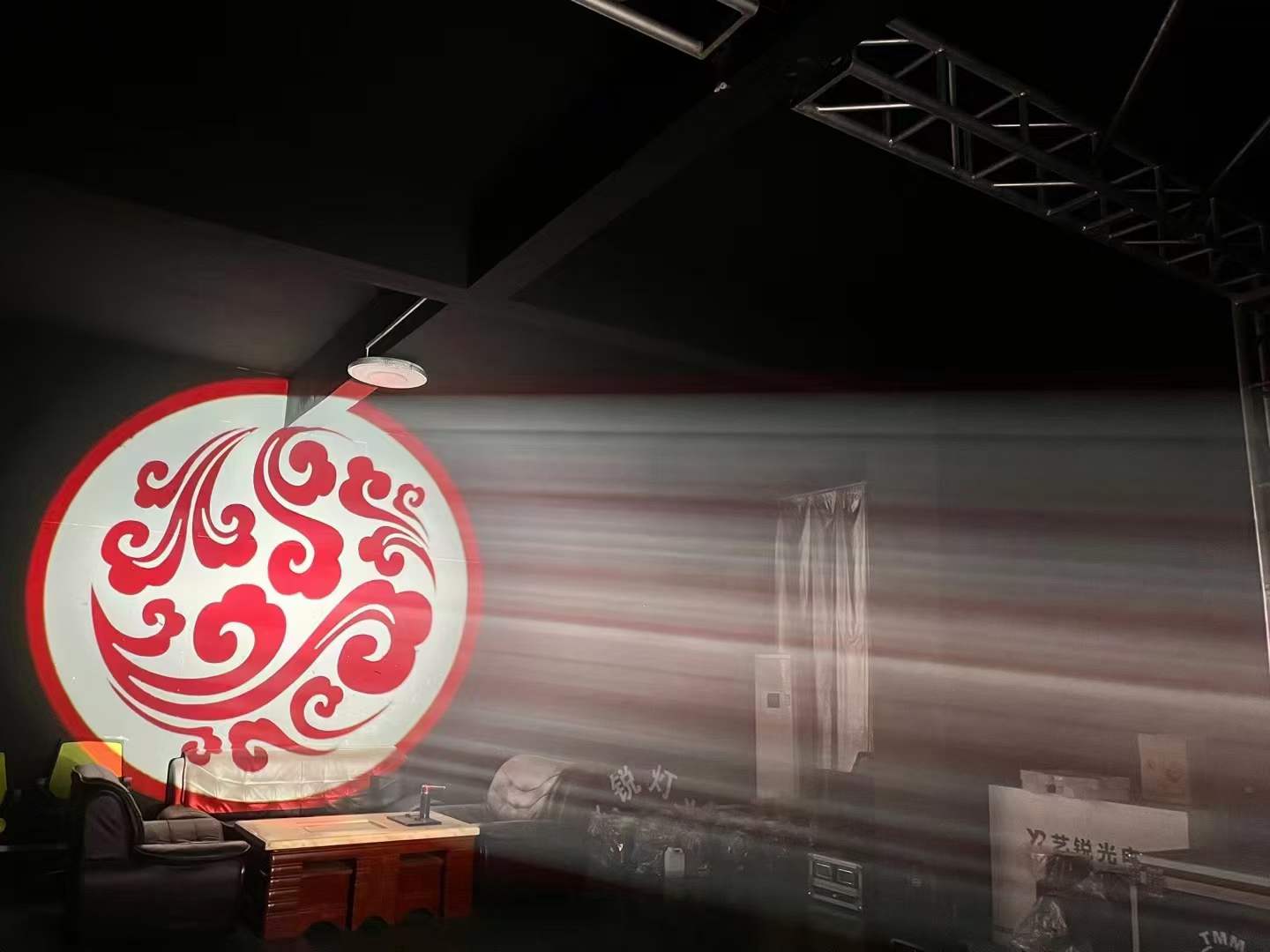
Profile Lights: Can cut the shape of the light spot, precisely controlling the lighting area.
Follow Spots: Manually track moving actors, highlighting the main character.
Projection Lights: Project patterns, text, and dynamic images to any position on the stage.
Core Control System
DMX512 Protocol
Industry standard control protocol, single line can control 512 channels
Each channel corresponds to one function of the light fixture (brightness, color, rotation, pattern, etc.)
Modern Control System
Lighting Consoles: MA2, Pearl Console, and other professional control consoles
Network Transmission: Art-Net, sACN protocols, transmitting a large number of DMX signals via network cable
Wireless Control: Wi-Fi, Bluetooth remote debugging, suitable for touring and temporary setups
AI Intelligent System: Automatically tracks actors, automatically adjusts lighting according to music rhythm
Five Major Functions of Lighting Design
1. Selective Illumination
Illuminates key areas, guides the audience's gaze
Conceals scene changes and prop movement in darkness
2. Creating a Sense of Space
Creates three-dimensional space through contrast of light and shadow
Divides stage scene areas with different light zones
3. Rendering Emotional Atmosphere
Warm Light (Red/Orange/Yellow): Warmth, passion, tension
Cool Light (Blue/Cyan/Violet): Calmness, sadness, mystery
High Contrast: Dramatic conflict, tension
4. Representing the passage of time
Simulating sunrise, sunset, and the alternation of day and night
Representing seasonal and weather changes
5. Enhancing rhythm and cadence
Lighting changes synchronized with musical beats
Flickering and rapid cuts enhance visual impact
2026 Technology Development Directions
AI Intelligent Programming: Computer vision automatically tracks actors and generates lighting programs
LED Full Upgrade: Higher brightness, wider color gamut, smaller size
Wireless: Battery powered + wireless DMX, eliminating complex wiring
Immersive Integration: Lighting + Projection + AR/VR, breaking down stage boundaries
Sustainable Development: Low energy consumption, long lifespan, recyclable materials